

If you’re in Bali this August, look up—literally. One of the year’s biggest astronomical events, the Perseid meteor shower, is lighting up the Bali night sky. Known for producing bright fireballs and up to 100 meteors per hour at its peak, this is a spectacle you don’t want to miss.
Here’s everything you need to know, minus the fluff—just real info, practical tips, and why this might be one of the most underrated things to experience on the island.
Photo by Patrick Mueller on Unsplash

What Is the Perseid Meteor Shower?
The Perseid meteor shower is one of the most consistent and active meteor showers in the world. It occurs every year from mid-July to late August, with the peak happening around August 12–13. The meteors come from debris left behind by the Swift-Tuttle comet. As Earth passes through the trail, the fragments hit our atmosphere at around 59 kilometers per second, creating bright streaks in the sky.
What makes Perseids stand out is not just the number of meteors, but the quality. They’re fast, often bright, and sometimes leave visible trails behind them—known as “trains”—that linger for a few seconds.
When and Where to Watch It in Bali
Timing is everything. The peak night for 2025 is expected to be between August 12th and 13th, with the best viewing time starting after midnight and continuing until just before dawn. The moon will be in a waning crescent phase this year, which means minimal moonlight interference—a big win for visibility.
Here’s what to look for:
- Time: 12:00 AM – 4:30 AM
- Direction: Face northeast, but the meteors will appear across the whole sky
- Moon Phase: Waning crescent (faint light = better visibility)
- Visibility Conditions: Best if skies are clear and you’re away from light pollution
Photo by Navi on Unsplash
Best Spots in Bali to Catch the Show
Not all spots in Bali are equal when it comes to stargazing. If you want a solid chance of seeing multiple meteors, get away from city lights. That means avoiding South Bali’s most crowded areas and heading somewhere more remote and elevated.
Top recommended locations:
- Munduk or Bedugul (North Bali): Higher altitude = clearer skies and cooler air
- Sidemen (East Bali): Quiet valley with minimal artificial lighting
- Amed or Tulamben (Northeast coast): Coastal views with open skies. Stay oceanfront at Eden Roc—our private villa that puts you right on the water, with uninterrupted views of the stars and sea.
- Nusa Penida/Nusa Lembongan: Far from the mainland glow, with minimal infrastructure lighting. On Lembongan, Sunset Beachwood offers a front-row seat to the stars—beachfront, quiet, and removed from the usual crowd.
- West Bali National Park: For the adventurous—wild, dark, and open
If you’re staying in Canggu, Seminyak, or Ubud, it’s still possible to see a few meteors—but light pollution will reduce the count and brightness significantly. In that case, drive 30–45 minutes outside your area for better chances.
Villa Eden Roc by Alfred in Bali
What to Bring & How to Prepare
Meteor showers don’t need telescopes or fancy gear. But a little prep goes a long way in making the most of the experience.
Checklist:
- A blanket or reclining chair (you’ll be looking up for a while)
- Snacks and drinks (especially coffee if you’re doing the full overnight)
- A hoodie or light jacket (it gets surprisingly chilly at 3 AM in the highlands)
- Red flashlight or phone light with red filter (helps you see without ruining night vision)
- Insect repellent
- A stargazing app (like Sky Guide or Star Walk 2)
And most importantly: patience. Your eyes need around 20 minutes to fully adjust to the dark. Once they do, you’ll start spotting meteors that you’d otherwise miss.
Why It’s Worth Staying Up for
Look, we get it—2 a.m. isn’t everyone’s favorite hour. But there’s something about standing under the vast Bali night sky, far from the noise of your phone and inbox, that reminds you how small (and big) everything really is.
The Perseid meteor shower doesn’t just give you a visual thrill. It’s a reset button. A chance to pause, breathe, and experience something that’s been happening for thousands of years—long before Bali had beach clubs or sunset swings.
Also, it’s free. No ticket needed. No Wi-Fi required. No influencer gimmicks. Just you, the sky, and a few burning rocks putting on a show.
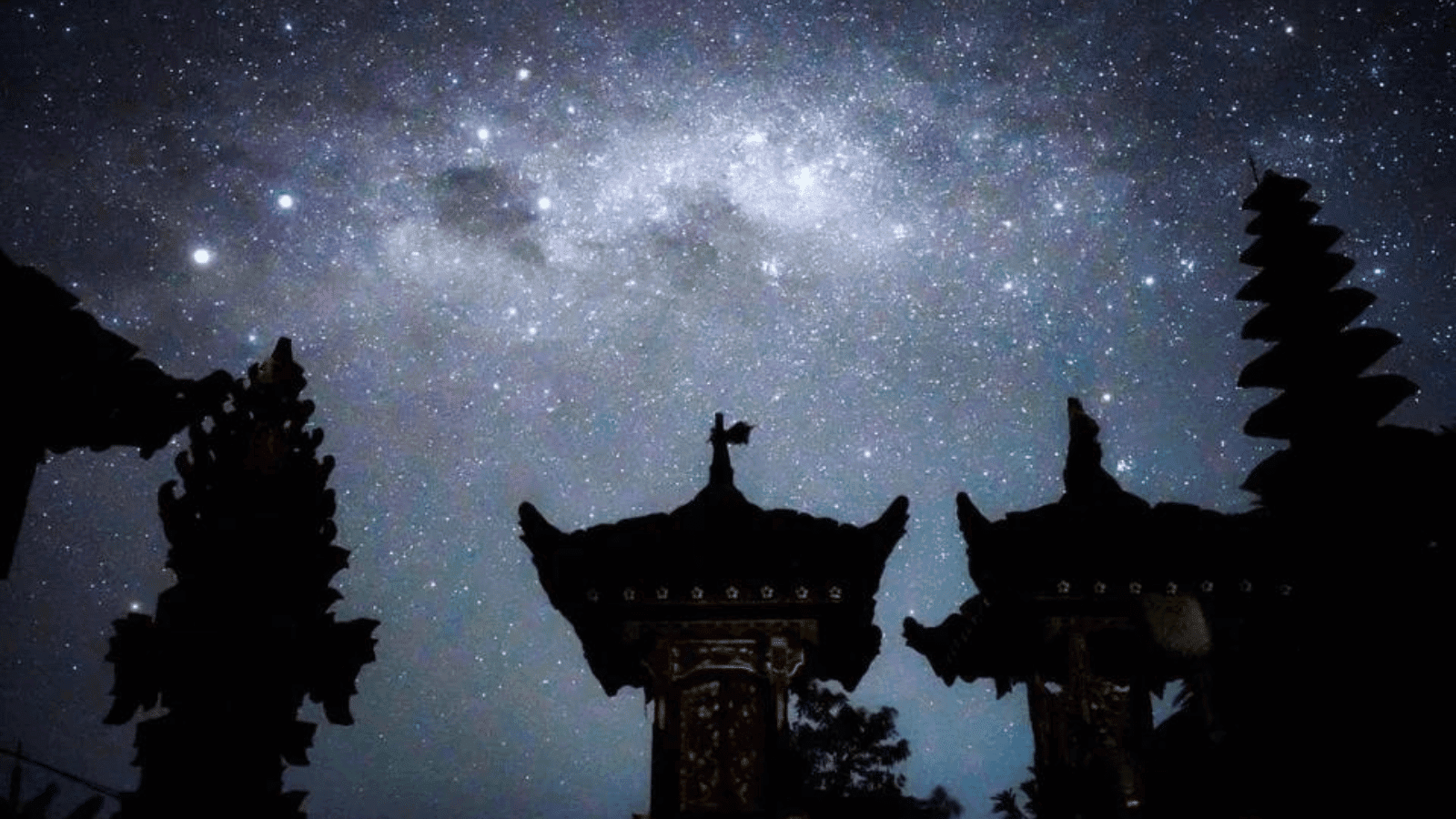
If you’ve never experienced a meteor shower before, this is the one to catch. It’s visible with the naked eye, incredibly photogenic, and happening in one of the most beautiful locations in the world. Whether you’re a stargazer, an occasional sky-watcher, or just someone looking for a reason to step outside your villa at night, this is it.
Bali gives us temples, waterfalls, and world-class food—but the island’s night sky? It’s the most underrated attraction. And this August, it’s putting on a show that’s been 133 years in the making.
Want more updates like this? Follow Alfred in Bali for seasonal tips, island events, and real reasons to fall in love with Bali all over again.


